The Connection Between Hub Flanges and Cycling Performance
Understanding Hub Flanges and Their Role in Cycling
What Are Hub Flanges?
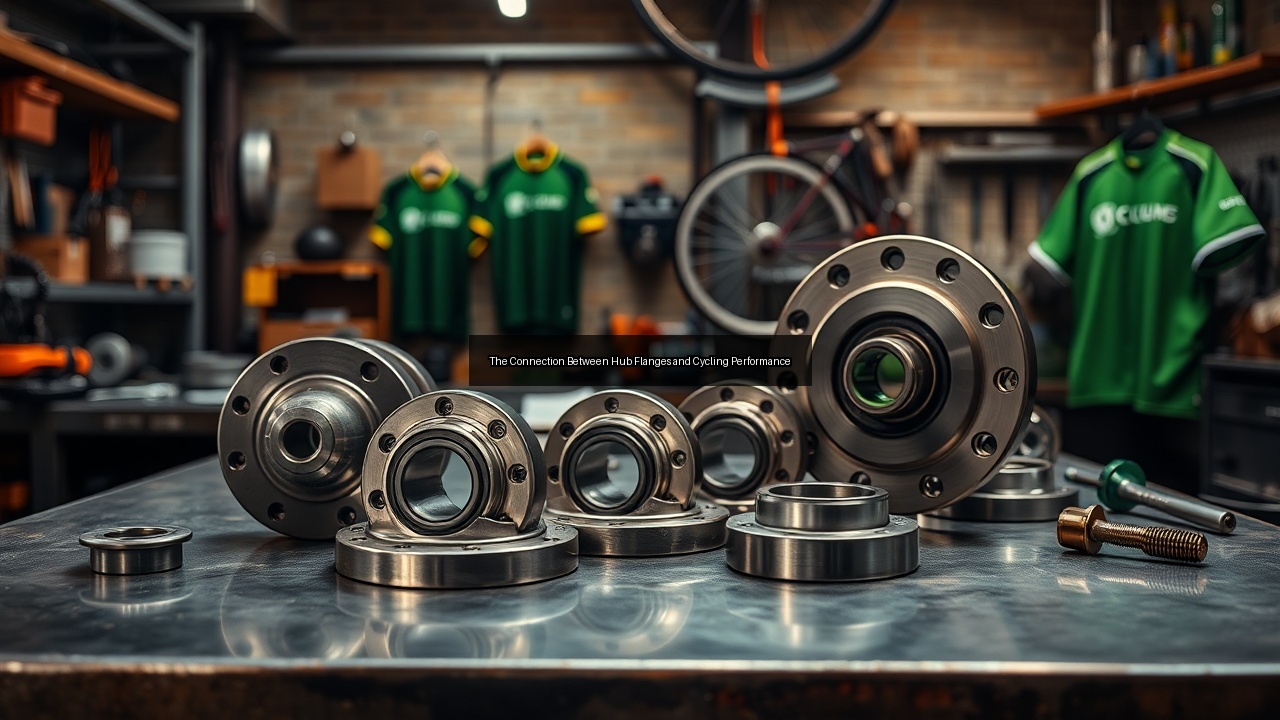
Hub flanges serve as crucial components of a bicycle's wheel assembly. Positioned on either side of the hub, these flanges provide mounting points for spokes that connect to the rim, thereby forming the wheel structure. Each flange consists of a circular plate with holes drilled through it, allowing spokes to be threaded in. The design and size of these flanges can significantly influence the strength and stability of the wheel. A well-designed hub flange enhances the overall performance of a bicycle, ensuring that it can withstand the stresses of cycling, especially during demanding activities like racing or mountain biking. Understanding the function of hub flanges is essential for cyclists who want to optimize their bike's performance.
The Anatomy of a Hub: Components Explained
A bicycle hub comprises several key components, all working in unison to facilitate smooth rotation and stability. The central part, the axle, serves as the rotating axis, while the hub shell encases the internal mechanisms. Flanges, located on either side of the hub shell, support spokes that connect to the rim. Inside the hub, ball bearings reduce friction, allowing for smoother wheel rotation. Additionally, set screws and bushings provide extra stability, preventing unwanted movement and ensuring the proper alignment of the wheel. Each of these elements plays a vital role in achieving optimal cycling performance, making it essential for cyclists to understand their functions and interactions.
How Hub Flanges Affect Wheel Performance
The design and configuration of hub flanges directly impact wheel performance. Wider flanges create a stiffer wheel, which translates to better power transfer and responsiveness during pedaling. Conversely, narrower flanges can lead to a more flexible wheel that may absorb shocks better but sacrifice energy efficiency. The angle at which spokes connect to the flanges also plays a role; for instance, a lower angle can improve wheel stability while higher angles might enhance aerodynamics but at the cost of strength. Cyclists should consider these factors when selecting wheels for various cycling disciplines, as the right hub flange design can make a significant difference in handling and overall cycling experience.
The Impact of Hub Flanges on Cycling Performance
The Relationship Between Flange Design and Stability
The stability of a bicycle wheel largely hinges on the design of the hub flanges. A well-designed flange contributes to a balanced tension among the spokes, which is critical for maintaining a true wheel shape. This balance prevents wobbling and lateral movement, allowing cyclists to navigate turns and descents with confidence. For competitive cyclists, such as those competing in events like the Tour de France Femmes, the stability provided by the hub flanges can mean the difference between winning and losing. Flanges that are optimized for performance ensure that wheels remain rigid under pressure, supporting better handling and control during high-speed racing.
Ball Bearings and Flanges: A Critical Connection
Ball bearings play a pivotal role in the functionality of hub flanges. These small, spherical components sit within the hub and enable smooth rotation of the wheel. The quality and type of ball bearings used can significantly influence performance. High-grade bearings reduce friction, enhancing acceleration and overall speed. Conversely, lower-quality bearings can lead to sluggish performance and increased wear over time. The relationship between the hub flanges and ball bearings is integral to cycling efficiency. Properly maintained bearings in conjunction with robust flanges ensure that cyclists experience minimal resistance, maximizing their energy and performance on the road or trail.
Influencing Factors: Set Screws and Bushings
Set screws and bushings provide an additional layer of support to hub flanges. Set screws secure the position of various components, preventing any unwanted movement that could affect wheel alignment. Meanwhile, bushings serve as cushioning elements that absorb vibrations, protecting the hub and enhancing ride comfort. Together, these elements ensure that the hub flanges maintain their structural integrity, promoting a smooth and stable cycling experience. Cyclists should pay attention to the condition of these components, as worn set screws or bushings can lead to performance issues, including wheel misalignment and increased friction.
Real-World Applications and Examples
Tom Pidcock's Equipment Choices
Tom Pidcock, a prominent figure in professional cycling, demonstrates the importance of hub flanges in competitive settings. His choice of equipment reflects a deep understanding of how these components affect performance. Pidcock often opts for wheels with wider hub flanges, which provide the stiffness and stability necessary for high-intensity racing. This choice allows him to maximize power transfer and maintain control during challenging maneuvers. By analyzing his equipment, aspiring cyclists can gain insights into how specific hub flange designs contribute to competitive success, emphasizing the significance of informed choices when selecting cycling gear.
Analyzing Hub Flange Designs in the Tour de France Femmes
The Tour de France Femmes showcases the latest advancements in cycling technology, including hub flange designs. Teams prioritize performance, investing in flanged hubs that offer the perfect blend of strength and lightweight properties. An examination of the bikes used during the race reveals a trend toward wider flanges, which enhance wheel stiffness and stability on varied terrains. Additionally, teams often experiment with different spoke patterns and bearing configurations to optimize their setups. By focusing on the nuances of hub flanges and their impact on performance, teams can gain a competitive edge in this prestigious event, showcasing the critical role of technology in modern cycling.
Regional Variations: From Bordeaux to Aurillac
Regional cycling events, such as those held in Bordeaux and Aurillac, reveal how local terrain influences hub flange preferences. Riders in Bordeaux, known for its flat landscapes, may favor lighter wheels with narrower flanges for speed. In contrast, cyclists tackling the more rugged terrain of Aurillac might opt for wheels featuring wider flanges that provide necessary strength and stability. Understanding these regional variations allows cyclists to make informed decisions based on their specific riding conditions. Whether racing through the vineyards of Bordeaux or navigating the hills of Aurillac, the choice of hub flanges can have a profound impact on performance.
Choosing the Right Hub Flange for Optimal Performance
Stock Options: Understanding Different Flanged Hubs
Cyclists often face the dilemma of choosing the right hub flange for their needs. Stock options vary widely, offering different designs and materials to cater to various riding styles. Flanged hubs can differ in flange height, width, and spoke hole count, each influencing wheel performance. For instance, a higher flange might provide better stability for sprinters, while a more traditional design could suit endurance riders. Understanding these differences allows cyclists to select stock options that align with their performance goals, ensuring they maximize their potential on the road or trail. Researching different brands and models can provide valuable insights into which flanged hubs perform best in specific conditions.
The Importance of Proper Maintenance and Upgrades
Maintaining hub flanges and associated components is essential for ensuring long-term performance. Regular inspections can identify wear and tear on flanges, bearings, and set screws, allowing for timely replacements or upgrades. Upgrading to higher-quality ball bearings can significantly reduce friction and improve cycling efficiency. Additionally, proper lubrication and routine cleaning can enhance the lifespan of these components, ensuring that wheels continue to perform at their best. Cyclists should prioritize maintenance as part of their overall riding strategy, recognizing that well-maintained hub flanges contribute to optimal cycling performance.
How to Select Bearings for Enhanced Cycling Efficiency
Selecting the right ball bearings is crucial for enhancing cycling efficiency. Cyclists should consider several factors when choosing bearings, including material, size, and sealing type. Ceramic bearings, for example, offer reduced friction and increased durability compared to standard steel options. Additionally, sealed bearings can provide protection against dirt and moisture, further extending their lifespan. The compatibility of bearings with hub flanges is also vital; ensuring a proper fit can prevent performance issues. By understanding the intricacies of bearing selection, cyclists can significantly improve their bike's performance and ensure a smoother, more efficient ride.